
- News
- City News
- kochi News
- Progress comes to the hills at a huge cost
Trending
This story is from November 6, 2016
Progress comes to the hills at a huge cost
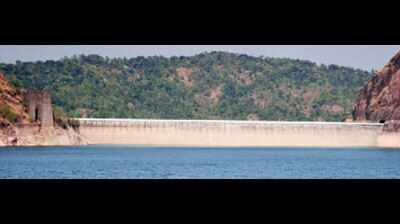
Idukki.
Six decades later, Idukki seems the perfect microcosm of the overall Kerala narrative: Spurts of development initiatives that enhanced the physical infrastructure, a shift to cash crops followed by a decline in farming and a general apathy among the new generation to farming, migration to bigger towns in the state and abroad, and a devil-may-care brashness to resource utilisation.

The beginning of Idukki's big-bang developments came a year before Kerala's formation, in 1955, when Pattom Thanu Pillai initiated the 'colonization scheme', with an eye on increasing farm output under the 'Grow more food' scheme.
Willing 'colonizers' were given the incentives of five acres of government land and Rs 1,000 in cash. Hundreds of families, mostly from central Travancore, found that a juicy bait and soon the hordes of advancing farmers forced the herds that grazed around without a care in the world, to beat a retreat.
Only landlocked places know the value of connectivity. Idukki was not only landlocked, it had precious little infrastructure on the ground. So much so that a 40-km road journey from Rajakkad to Nedumkandam would take about two and a half hours even in the early 1990s.
While the telecom revolution was shaking up the rest of the state from the late 1980s onwards, Idukki was still mostly incommunicado. And when Malayalam television programmes lit up the evenings of Keralites by the mid1990s, entertainment-starved people in Idukki were still scrambling up the tallest trees in their homesteads to adjust antennae in the hope of catching some Tamil programmes from the Kodaikanal sta tion. It seems unbelievable now that just two years before the turn of the cen tury , even the news bureau of a lead ing Malayalam newspaper in Idukki had to apply for a telephone through the local MP's quota, and still wait six months to get it.
“So it seemed like a joke when the then PWD minister, PJ Joseph declared some roads in Idukki as state highways in the 1990s," remembers TC Rajesh, a communications professional from Idukki, now based in the state capital. To the pure delight of local residents, the minister's promise did come true, resulting in a slew of roads crisscrossing the district and opening a new phase in development.
The bigger and better roads soon had bigger buildings and homes straddling them, and aspiration levels perched higher when the liberalization of higher education brought self-financed education to the high ranges of Idukki. By then, Thekkady had turned an iconic tourism destination, and resorts and homestays sprung up everywhere, requiring ever more natural resources. Predictably , tube-wells and tuition centres were soon dotting the Idukki landscape.
The boom in educational institutions combined with a commodity price meltdown lured an entire generation away from farming. “The climate change is starkly evident now“, says Nedumkandam-based cardamom farmer, Jayachandran Nair K. “Commodity price crash was the first blow, and now there is consistent crop decline owing to climate change. So, today you don't find anyone below 30 years in the farm sector“, says he.
The Kasturirangan report and the Madhav Gadgilchaired Western Ghats Ecology Expert Panel's recommendations aimed at the conservation of the ghats have only beleaguered the local population who had already begun looking outside of farming for their livelihoods.
If nature was Idukki's biggest treasure, that wealth has evidently not been managed well in the past six decades. So, boating is being scrapped in Thekkady as early as in October in the middle of the tourism season! and water tankers ply around the district nearly eight months of the year.
When issues of such magnitude stare down at the district, the local political leaderships keep exhorting for hartals for each challenge that crops up. Even the elephants in Thekkady must be shaking their heads in disbelief.
The writer contributes for the Gulf News, Dubai, and teaches journalism at the Institute of Journalism, Thiruvananthapuram
End of Article
FOLLOW US ON SOCIAL MEDIA



Hot Picks
TOP TRENDING
Popular Categories
Hot on the Web
Top Trends
Trending Topics
Devara CollectionNavya Naveli NandaPawan KalyanJungle SafariStree 2 OTT ReleaseRose GardenDevara CollectionOTT Release MovieMasala OmeletteEmergencyDevaraTaaza Khabar 2 Twitter ReviewDevara Movie ReviewHealthy RaitasSwatantrya Veer SavarkarColdplay India tour 2025Smartphone DealsApple Macbook Air M1Amazon SaleWordle Answer
Living and entertainment
Latest News
WWE Superstar The Rock's Daughters: Everything You Need to Know About Simone, Jasmine, and TianaThe Power of Color: Zodiac Signs and Their Energetic HuesRs 40.87 crore cash, goods seized since inception of mode code: DGP Kapoor'Parties told us to announce election dates keeping Diwali in mind': CEC Rajiv Kumar on Maharashtra assembly elections2 terrorists killed, 5 security personnel injured in encounter in J&K's KulgamWho is Jimmy Uso's wife? Everything you need to know about Jimmy Uso's wife NaomiInside the Dressing Room: RP Singh unveils cricketers' secrets during rain breaks'That was the last time I saw my friend': Rahul Gandhi remembers Sitaram YechuryTulsi Gabbard calls Kamala Harris shameless as VP inspects US-Mexico border: 'No conscience'Cockroach found in Air India passenger's meal on Delhi-New York flight; know what airline respondedBad Blood 2024: 3 final time changes WWE can make, Demon Finn Balor vs Damian Priest Hell in a Cell match and moreGuneet Monga says, 'films with American distributors should be sent for competition'SC handbook lists terms to be avoided to refer to persons with disabilities, provides alternativesScrap dealer dad celebrates son's board exam success by gifting multiple iPhones | Watch videoForeign investment hits record high with Rs 23,600 crore inflows this weekWatch: Pakistan Test team head coach Jason Gillespie to make changes only after...Ex-WWE Writer Vince Russo Voices Frustration Over Triple H's Handling of LA KnightQueen Camilla does not want King Charles to meet Prince Harry because...
Copyright © 2024 Bennett, Coleman & Co. Ltd. All rights reserved. For reprint rights: Times Syndication Service